



Blog
Rugged subsea LVIT position sensors for offshore oil & gas, marine hydraulics, and deep-water systems. Reliable feedback up to 12,000 feet.
Offshore oil and gas operations require sensing technology engineered for extreme pressure, saltwater exposure, hydraulic immersion, and constant mechanical stress. In subsea production systems, hydraulic valve assemblies, and deep-water marine equipment, accurate position feedback is essential for safe and efficient system operation.
Alliance Sensors Group designs rugged subsea linear position sensors built specifically for these harsh offshore environments. Operating at depths up to 12,000 feet, their LVIT (Linear Variable Inductance Transducer) sensors deliver stable, drift-free position feedback for critical marine hydraulic and subsea control systems.
Why Subsea Position Sensors Matter in Offshore Systems
Modern offshore infrastructure depends on hydraulic actuation systems for flow control, stabilization, steering, and safety functions. In these environments, sensor failure can directly impact:
- Production efficiency
- Equipment integrity
- Operational safety
Subsea hydraulic systems must withstand:
- Continuous saltwater exposure
- Extreme hydrostatic pressure
- Hydraulic oil immersion
- Shock and vibration
- Corrosive marine conditions
- Long-term deployment with minimal maintenance
This is why contactless inductive LVIT technology is widely used in subsea applications.
In-Cylinder LVIT Sensors for Subsea Hydraulic Cylinders
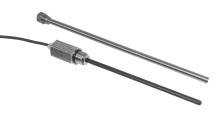
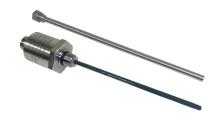
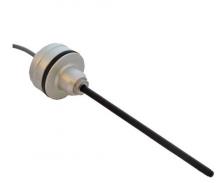
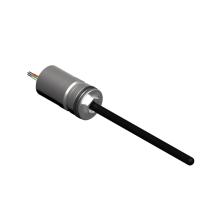
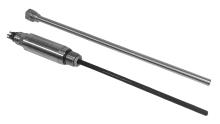
ASG in-cylinder LVIT position sensors are designed for direct integration inside hydraulic cylinders used in offshore and marine systems.
Unlike contact-based technologies, LVIT sensors use non-contact inductive measurement, eliminating mechanical wear and significantly improving long-term reliability in high-cycle applications.
These sensors operate fully immersed in:
- Hydraulic fluid
- Oil baths
- Fresh water
- Salt water
This makes them ideal for subsea production systems where traditional sensors may fail due to corrosion or wear.
Key Benefits of LVIT Subsea Position Sensors
- Contactless operation for extended service life
- Drift-free linear displacement measurement
- High reliability under extreme pressure
- Corrosion and contamination resistance
- Stable performance in submerged environments
- Compact in-cylinder integration
- Precise valve and actuator position feedback
Offshore and Marine Applications
Offshore Oil & Gas Systems
LVIT sensors are widely used in:
- Subsea “Christmas Tree” systems
- Blowout Preventers (BOPs)
- Deep-water manifolds
- Hydraulic valve actuators
- Offshore drilling platforms
- Production control modules
- Subsea isolation valves
These systems depend on precise hydraulic cylinder positioning for safe flow regulation under extreme subsea conditions.
Marine Hydraulic Systems
Marine engineers rely on LVIT sensors for:
- Vessel steering systems
- Stabilizer control systems
- Deck hydraulic equipment
- Winches and lifting systems
- ROV hydraulic systems
- Crane actuation systems
In these environments, sensor reliability directly impacts vessel safety and uptime.
Engineered for Harsh Offshore Environments
Subsea systems face a combination of extreme conditions:
- Constant motion and vibration
- Long-term immersion
- Rapid pressure changes
- Corrosive seawater exposure
- Wide temperature variation
- High hydraulic loads
Alliance Sensors Group LVIT sensors are engineered with no internal contact wear surfaces, improving operational lifespan compared to traditional sensing technologies.
Precision Feedback for Critical Hydraulic Control
Reliable position feedback enables offshore operators to:
- Monitor valve position accurately
- Improve hydraulic actuator performance
- Maintain production efficiency
- Reduce unplanned downtime
- Support predictive maintenance strategies
- Enhance operational safety
Consistent linear measurement is essential for long-term subsea system integrity.
Trusted in Offshore and Marine Engineering
Alliance Sensors Group supports offshore drilling, subsea production, and marine hydraulic applications where:
- Precision is critical
- Downtime is costly
- Conditions are extreme
- Long-term reliability is required
Frequently Asked Questions
What is a subsea position sensor used for?
A subsea position sensor provides accurate linear feedback for hydraulic cylinders and valve systems operating underwater in offshore oil and gas environments.
Why are LVIT sensors used in offshore applications?
LVIT sensors are used because they are contactless, drift-free, and highly resistant to pressure, corrosion, and hydraulic immersion.
Can LVIT sensors operate underwater?
Yes. LVIT sensors are designed to operate fully submerged in saltwater, freshwater, and hydraulic oil environments.
What is the maximum depth for subsea LVIT sensors?
ASG subsea sensors can operate at depths up to 12,000 feet, depending on configuration and system design.
Where are subsea position sensors commonly used?
They are commonly used in subsea production systems, blowout preventers, manifolds, offshore drilling platforms, and marine hydraulic systems.
Need Help Selecting a Subsea Position Sensor?
Sensor selection depends on:
- Hydraulic cylinder design
- Operating depth
- Pressure requirements
- Environmental exposure
- System integration constraints
Speak with an application engineer at H. G. Schaevitz / Alliance Sensors Group contact or call 856-727-0250.