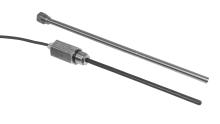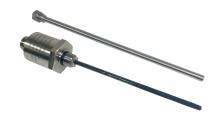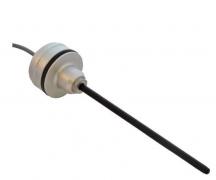





Subsea / Marine Hydraulics Position Sensors
Subsea and Marine Hydraulic Position Sensors for Extreme Offshore Environments
Alliance Sensors Group delivers rugged, high-reliability subsea position sensors engineered for offshore oil and gas, marine hydraulics, and deep-water control systems. Designed to operate while fully submerged in fresh or salt water at depths up to 12,000 feet, ASG linear position sensors provide accurate, stable feedback in some of the harshest environments on earth. Whether deployed on subsea production systems, offshore drilling platforms, or marine hydraulic equipment, our sensors ensure dependable performance where pressure, corrosion, and constant motion are daily realities.
In-Cylinder LVIT Position Sensors for Subsea Hydraulic Control
ASG’s in-cylinder LVIT linear position sensors are specifically designed for direct integration inside hydraulic cylinders operating in subsea and marine environments. These contactless inductive sensors can function fully immersed in hydraulic fluid or oil baths, providing precise valve and actuator position feedback for critical oil and gas flow control systems. Ideal for subsea “Christmas Trees,” blowout preventers (BOPs), and deep-water manifold systems, ASG in-cylinder LVIT sensors deliver reliable, drift-free measurements that support safe and efficient hydraulic operation.
Proven Performance in Offshore Oil, Gas, and Marine Hydraulic Systems
With extensive experience supporting offshore drilling operations, subsea production equipment, ROV hydraulic systems, and marine vessel applications, Alliance Sensors Group understands the performance expectations of subsea control environments. Our LVIT subsea position sensors provide accurate linear displacement measurement for hydraulic cylinders controlling oil and gas flow, stabilizers, steering systems, and deck equipment. When subsea reliability, precision valve position feedback, and long-term operational integrity are essential, marine and offshore engineers rely on ASG position sensing solutions to perform without compromise.
Need help selecting the right sensor for your application?
Speak directly with an experienced application engineer at H. G. Schaevitz Alliance Sensors Group by calling 856-727-0250 or contact us by clicking here.
Frequently Asked Questions About Subsea and Marine Hydraulic Position Sensors
What is a subsea position sensor?
A subsea position sensor is a linear or rotary position measurement device designed to operate reliably underwater, including in demanding saltwater and deep-water environments. Subsea position sensors provide feedback on the position or movement of hydraulic cylinders, valves, actuators, and other equipment used in offshore and marine systems.
Alliance Sensors Group LVIT position sensors are engineered for harsh subsea applications and can operate fully submerged in fresh or salt water at depths of up to 12,000 feet, depending on the sensor configuration.
What are subsea position sensors used for?
Subsea position sensors are used to measure the position and movement of critical equipment in underwater and offshore systems. Applications can include:
- Subsea production systems
- Subsea Christmas Trees
- Blowout preventers (BOPs)
- Deep-water manifolds
- Hydraulic control systems
- Subsea hydraulic cylinders
- ROV hydraulic systems
- Offshore drilling equipment
- Marine vessel hydraulic systems
- Steering and stabilizer systems
- Deck and lifting equipment
- Oil and gas flow control systems
Reliable position feedback allows hydraulic and control systems to verify actuator and valve position during operation.
Can LVIT sensors be used underwater?
Yes. Alliance Sensors Group LVIT sensors can be designed for applications where the sensor is fully submerged in fresh or salt water. Depending on the configuration, ASG subsea position sensors are capable of operating at depths of up to 12,000 feet.
This makes LVIT technology suitable for demanding offshore, marine, and deep-water applications where conventional position sensors may not provide the required environmental performance.
How deep can a subsea LVIT position sensor operate?
Alliance Sensors Group offers subsea LVIT position sensor solutions capable of operating at depths of up to 12,000 feet, depending on the specific sensor design and application requirements.
When selecting a sensor for deep-water use, engineers should consider the required operating depth, pressure, temperature, mounting arrangement, hydraulic environment, electrical interface, and expected mechanical movement.
What is an in-cylinder LVIT position sensor?
An in-cylinder LVIT position sensor is a linear position sensor designed to be integrated directly inside a hydraulic cylinder.
Instead of measuring cylinder movement externally, the sensor is incorporated into the cylinder assembly to provide direct feedback on piston or actuator position. This configuration is particularly useful in subsea hydraulic systems where space is limited and reliable internal position measurement is required.
Why use an in-cylinder position sensor for subsea hydraulics?
In-cylinder position sensing provides direct measurement of hydraulic actuator movement while keeping the sensor integrated within the hydraulic cylinder.
This can be advantageous in subsea systems because the sensor is protected within the mechanical assembly and can provide continuous position feedback without requiring an external measurement mechanism. ASG in-cylinder LVIT sensors are designed to operate immersed in hydraulic fluid or oil baths.
Can LVIT sensors operate inside hydraulic cylinders?
Yes. ASG in-cylinder LVIT position sensors are designed specifically for integration inside hydraulic cylinders and can operate while immersed in hydraulic fluid or oil.
Their non-contact inductive sensing technology provides linear position feedback without relying on sliding electrical contacts, making the sensors suitable for hydraulic systems requiring long-term, reliable operation.
Can LVIT sensors operate while immersed in hydraulic oil?
Yes. ASG in-cylinder LVIT sensors are designed to operate fully immersed in hydraulic fluid or oil baths.
This capability allows the sensor to be installed directly within hydraulic cylinders and other hydraulic mechanisms where the sensing element is exposed to the operating fluid.
What are LVIT sensors used for in subsea oil and gas systems?
LVIT sensors can provide linear displacement and position feedback for hydraulic actuators and control systems used in subsea oil and gas equipment.
Potential applications include valve and actuator position measurement in subsea production systems, Christmas Trees, blowout preventers, deep-water manifolds, and other hydraulic equipment used to control oil and gas flow.
Can LVIT sensors be used in subsea Christmas Trees?
Yes. In-cylinder LVIT position sensors can be used to provide hydraulic actuator and valve position feedback in subsea Christmas Tree systems.
Accurate position measurement can help control systems verify actuator movement and valve position in critical subsea oil and gas applications. The sensor configuration should be selected based on the cylinder design, required stroke, operating pressure, depth, and environmental conditions.
Can LVIT sensors be used in blowout preventers?
LVIT position sensors can be integrated into hydraulic systems associated with blowout preventers (BOPs) to provide linear position feedback where required by the equipment design.
Because BOP systems operate in demanding offshore environments, sensor selection should account for pressure, temperature, hydraulic fluid compatibility, mechanical stroke, installation requirements, and the expected service environment.
Can subsea position sensors be used in deep-water manifolds?
Yes. Subsea LVIT position sensors can provide position feedback for hydraulic actuators and valves associated with deep-water manifold systems.
The ability to operate underwater at significant depth makes appropriately configured LVIT sensors a potential solution for applications where reliable linear position measurement is required in deep-water oil and gas equipment.
Are LVIT position sensors suitable for offshore oil and gas applications?
Yes. LVIT position sensors are well suited to many offshore oil and gas applications where accurate hydraulic actuator and valve position feedback is required.
ASG sensors are designed for demanding environments involving water exposure, hydraulic fluid, vibration, pressure, and continuous mechanical movement. Applications include subsea production equipment, offshore drilling systems, hydraulic control systems, and marine equipment.
Can subsea sensors operate in salt water?
Yes. ASG subsea position sensor solutions can be designed for operation while fully submerged in fresh or salt water.
Material selection, sealing, electrical connections, pressure requirements, and other environmental considerations are important when specifying a sensor for permanent or extended saltwater exposure. Engineers should review the complete application with ASG to determine the appropriate configuration.
What makes subsea environments difficult for position sensors?
Subsea position sensors must withstand environmental and mechanical conditions that can be considerably more demanding than those encountered in conventional industrial installations.
These conditions can include:
- High hydrostatic pressure
- Saltwater exposure
- Corrosion
- Hydraulic fluid exposure
- Temperature variation
- Vibration and shock
- Continuous mechanical movement
- Limited access for maintenance
- Long deployment periods
A sensor intended for subsea service must therefore be selected for the complete operating environment rather than based solely on its measurement range.
Why is non-contact position sensing useful for subsea applications?
Non-contact sensing eliminates the mechanical wear associated with sliding electrical contacts.
This can be especially valuable in subsea equipment because sensor access for maintenance or replacement can be difficult and expensive. LVIT inductive technology provides position measurement without requiring a mechanical electrical contact to continually move against the sensing element.
What are the advantages of LVIT sensors for offshore hydraulic systems?
LVIT sensors can provide several advantages for offshore hydraulic position measurement:
- Non-contact linear position measurement
- Long-term operating capability
- Reliable position feedback
- Compatibility with in-cylinder hydraulic applications
- Operation while immersed in hydraulic fluid or oil
- Subsea configurations for fresh or salt water
- Deep-water operation for appropriately configured sensors
- Suitability for hydraulic cylinders and actuators
These characteristics make LVIT technology useful for hydraulic control systems where reliable position feedback is critical to equipment operation.
Can LVIT sensors be used with ROV hydraulic systems?
Yes. LVIT sensors can be incorporated into hydraulic systems used with remotely operated vehicles (ROVs) where linear actuator or cylinder position needs to be measured.
ROV equipment can encounter significant vibration, motion, pressure, and environmental exposure. The appropriate sensor configuration should be selected according to the ROV system's mechanical, electrical, and subsea operating requirements.
Can subsea position sensors measure hydraulic actuator position?
Yes. A subsea linear position sensor can measure the movement of hydraulic actuators used to operate valves, stabilizers, steering mechanisms, gates, and other equipment.
An LVIT sensor can provide continuous electrical feedback corresponding to actuator position, allowing the hydraulic control system or monitoring equipment to determine the position of the moving component.
How do you measure hydraulic cylinder position underwater?
Hydraulic cylinder position underwater can be measured using a linear position sensor designed for subsea operation. An in-cylinder LVIT sensor can be installed inside the hydraulic cylinder and measure the position of the moving piston or actuator.
This approach provides direct position feedback while allowing the sensor to operate within the hydraulic environment of the cylinder.
What is the difference between an external and in-cylinder hydraulic position sensor?
An external position sensor is mounted outside the hydraulic cylinder and measures cylinder movement through an external linkage or mechanical arrangement.
An in-cylinder position sensor is installed directly inside the cylinder and measures the internal movement of the hydraulic actuator.
In-cylinder sensing can provide a compact and protected measurement solution, particularly when external installation is impractical or when direct measurement of piston position is required.
Are subsea LVIT sensors affected by hydraulic fluid?
ASG in-cylinder LVIT sensors are designed to operate while immersed in hydraulic fluid or oil baths.
For a specific application, engineers should identify the hydraulic fluid being used and confirm material compatibility and other environmental requirements when selecting the sensor configuration.
How reliable are subsea LVIT position sensors?
Reliability depends on the specific sensor configuration, application, installation, and operating environment. ASG designs subsea LVIT sensors for applications where long-term position measurement is required under demanding offshore and marine conditions.
Because subsea equipment can be difficult and costly to access, long-term reliability and reduced mechanical wear are important considerations when selecting a position sensor.
What stroke lengths are available for subsea LVIT sensors?
The required sensor stroke depends on the amount of linear movement that must be measured. Alliance Sensors Group offers LVIT sensors in different configurations and measurement ranges for industrial and hydraulic applications.
For in-cylinder subsea applications, the sensor stroke should be matched to the hydraulic cylinder's actual mechanical movement while allowing for the required measurement range and installation tolerances.
How do I select a subsea hydraulic position sensor?
Selecting the appropriate subsea position sensor requires consideration of both the measurement requirements and the operating environment.
Important factors include:
- Maximum operating depth
- Hydrostatic pressure
- Freshwater or saltwater exposure
- Hydraulic fluid or oil compatibility
- Required measurement stroke
- Hydraulic cylinder dimensions
- Installation method
- Operating temperature
- Shock and vibration
- Required accuracy and resolution
- Electrical output
- Cable and connector requirements
- Expected service life
Because subsea applications can have highly specialized requirements, engineers should work with a sensor manufacturer or application engineer to determine the appropriate configuration.
Can Alliance Sensors Group provide application engineering support for subsea sensors?
Yes. Alliance Sensors Group has experience supporting offshore, subsea, marine hydraulic, drilling, ROV, and oil and gas applications.
An application engineer can help evaluate requirements such as sensor stroke, hydraulic cylinder integration, operating depth, environmental exposure, mounting, and electrical interface to identify an appropriate LVIT position sensing solution.
Why choose LVIT technology for subsea and marine position measurement?
LVIT technology provides non-contact linear position measurement in a sensor design suited to demanding industrial applications. For subsea and marine systems, appropriately configured LVIT sensors can provide reliable position feedback while exposed to hydraulic fluid, oil, fresh water, or salt water.
For critical hydraulic systems where position feedback must remain dependable under extreme offshore conditions, LVIT sensors provide a robust alternative to contact-based linear sensing technologies.
Where can I get help selecting a subsea position sensor?
For help selecting a subsea, marine, or offshore hydraulic position sensor, speak directly with an experienced application engineer at H. G. Schaevitz Alliance Sensors Group.
Call 856-727-0250 to discuss your application, or contact Alliance Sensors Group to determine the appropriate LVIT sensor configuration for your hydraulic cylinder, subsea control system, offshore equipment, or marine application.